| ||||||||||||||||||||||||||||||||||||||||||||||||||||||||||||||||||||||||||||||||||||||||||||||||||||||||||||||||||||||||||||||||||||||||||||||||||||||||||||||||||||||||||||||||||||||||||||||||||||||||||||||||||||||||||||||||||||||||||||||||||||||||||||||||||||||||||||||||||||||||||||||||||||||||||||||||||||||||||||||||||||||||||||||||||||
Sri Sathya Sai Baba Photo Updates - Darshan News & Prasanthi Events | ||||||||||||||||||||||||||||||||||||||||||||||||||||||||||||||||||||||||||||||||||||||||||||||||||||||||||||||||||||||||||||||||||||||||||||||||||||||||||||||||||||||||||||||||||||||||||||||||||||||||||||||||||||||||||||||||||||||||||||||||||||||||||||||||||||||||||||||||||||||||||||||||||||||||||||||||||||||||||||||||||||||||||||||||||||
| ||||||||||||||||||||||||||||||||||||||||||||||||||||||||||||||||||||||||||||||||||||||||||||||||||||||||||||||||||||||||||||||||||||||||||||||||||||||||||||||||||||||||||||||||||||||||||||||||||||||||||||||||||||||||||||||||||||||||||||||||||||||||||||||||||||||||||||||||||||||||||||||||||||||||||||||||||||||||||||||||||||||||||||||||||||
| ||||||||||||||||||||||||||||||||||||||||||||||||||||||||||||||||||||||||||||||||||||||||||||||||||||||||||||||||||||||||||||||||||||||||||||||||||||||||||||||||||||||||||||||||||||||||||||||||||||||||||||||||||||||||||||||||||||||||||||||||||||||||||||||||||||||||||||||||||||||||||||||||||||||||||||||||||||||||||||||||||||||||||||||||||||
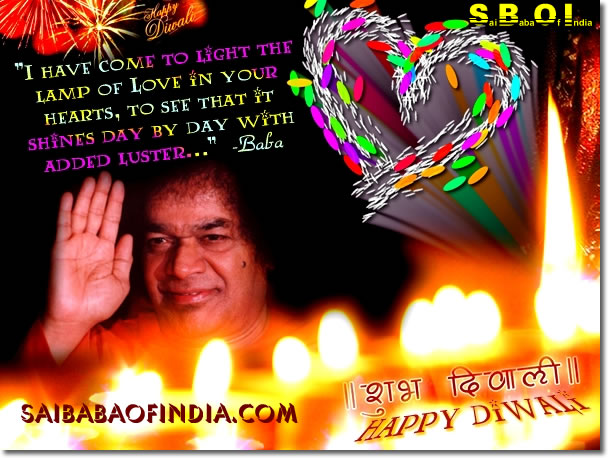
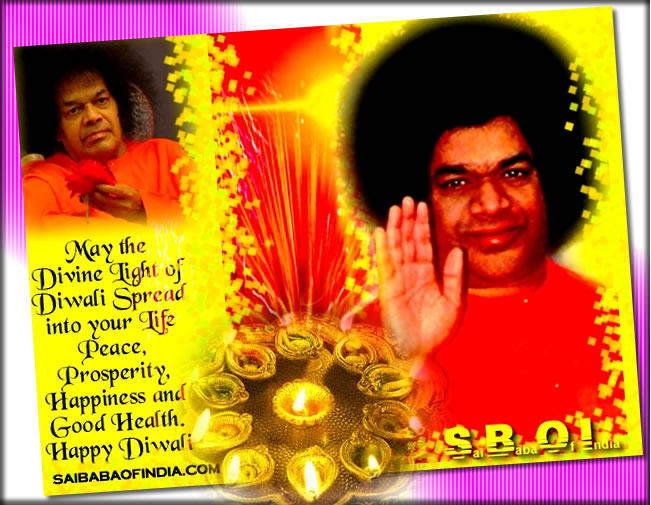
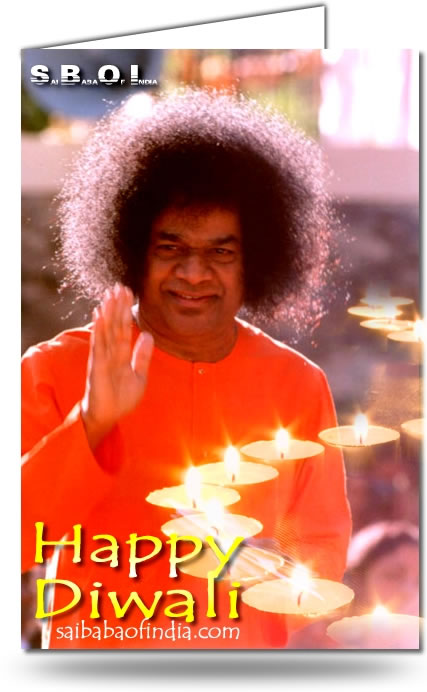
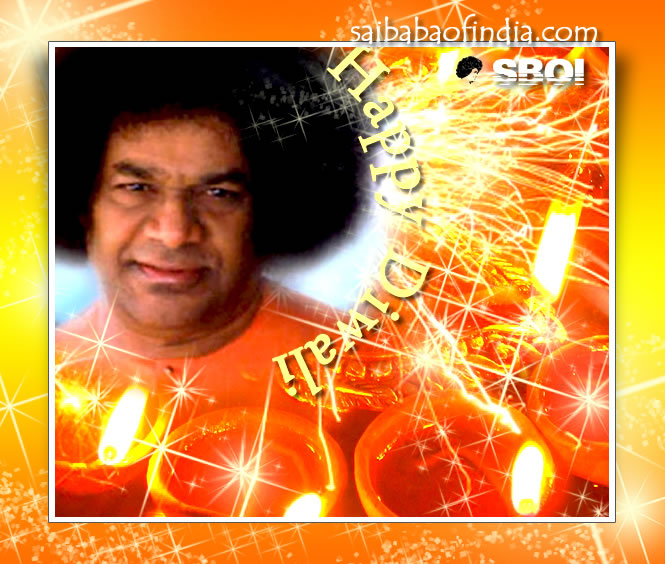
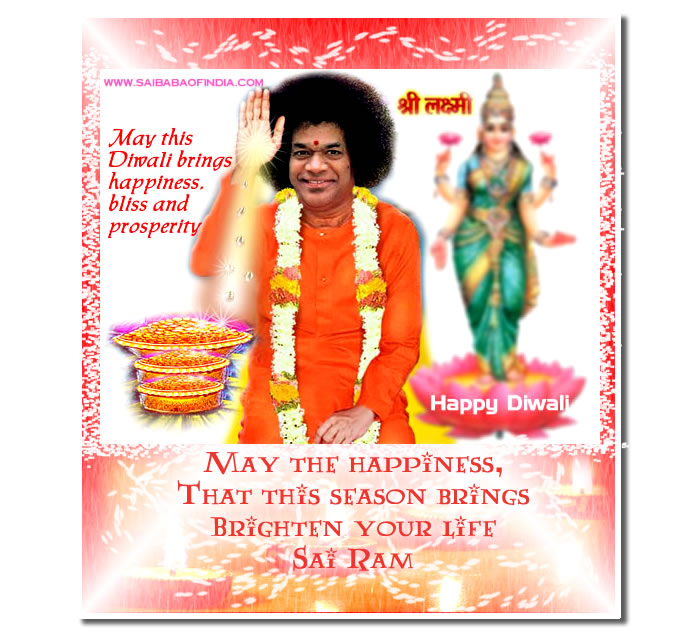
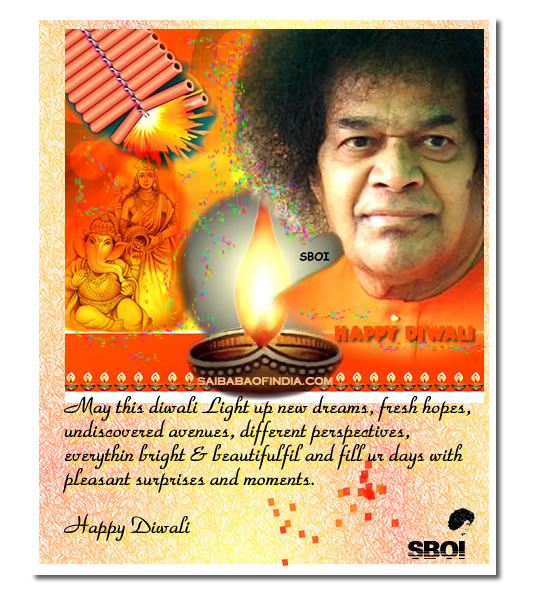
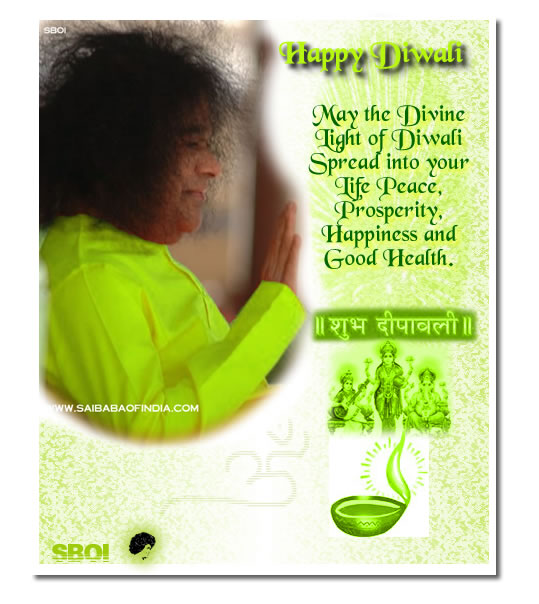
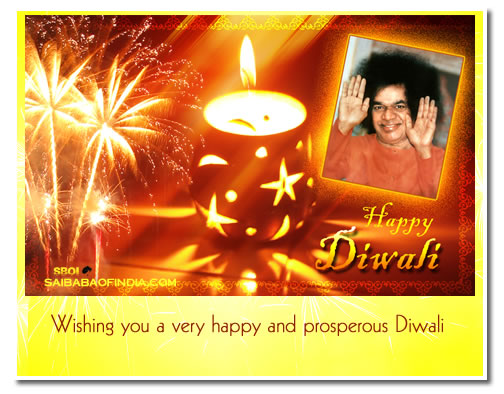
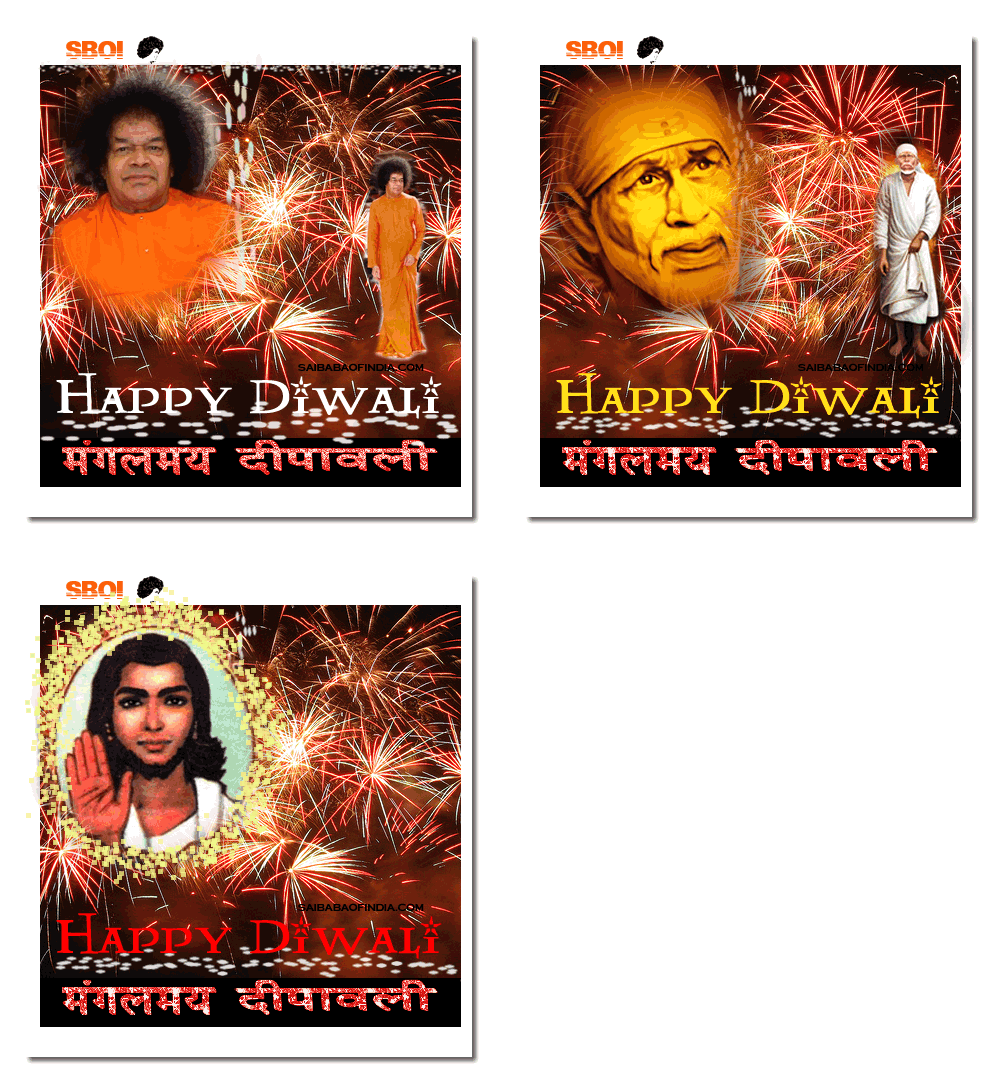
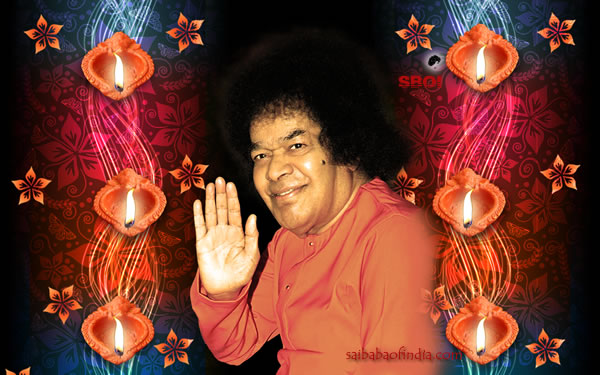
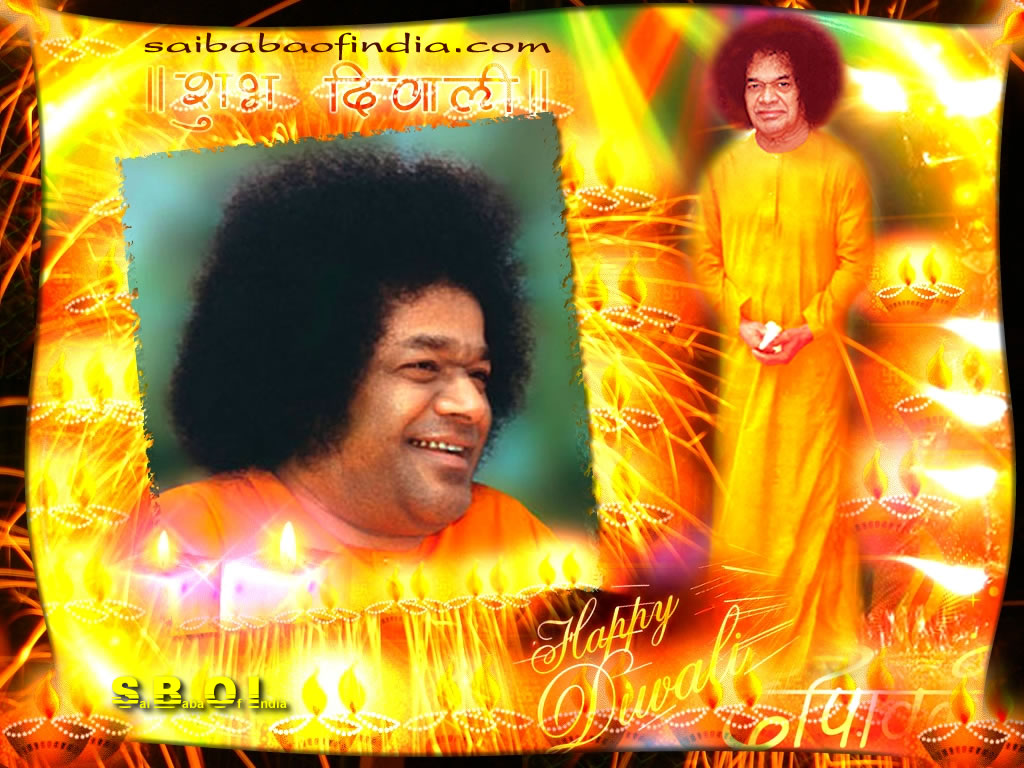
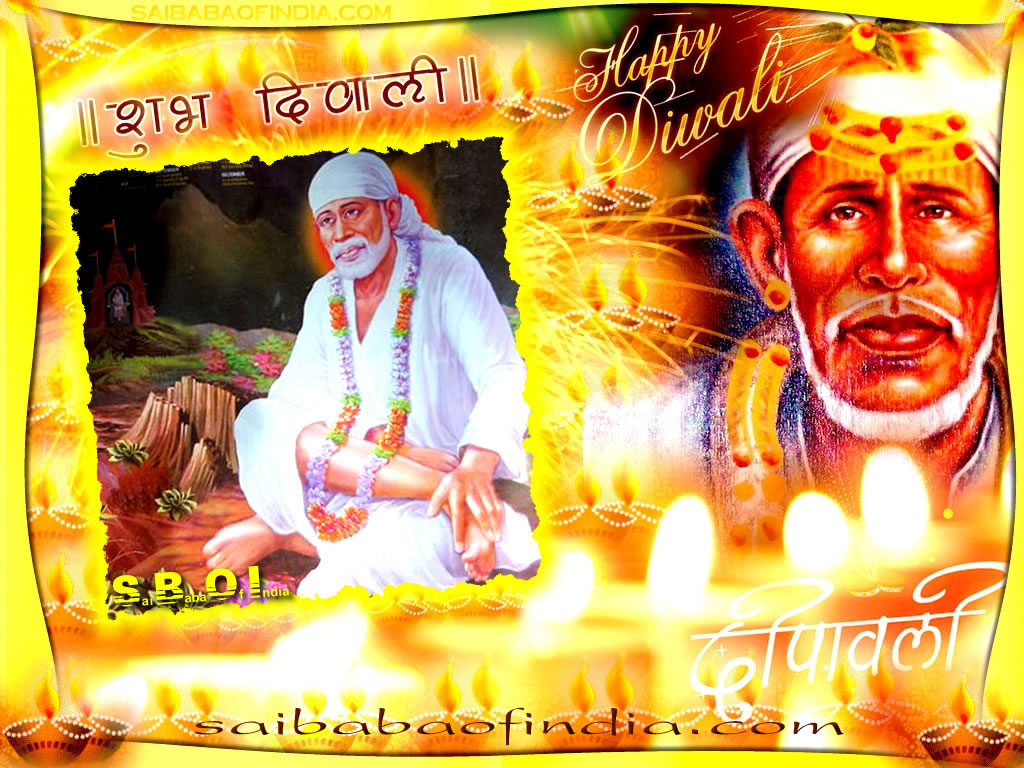
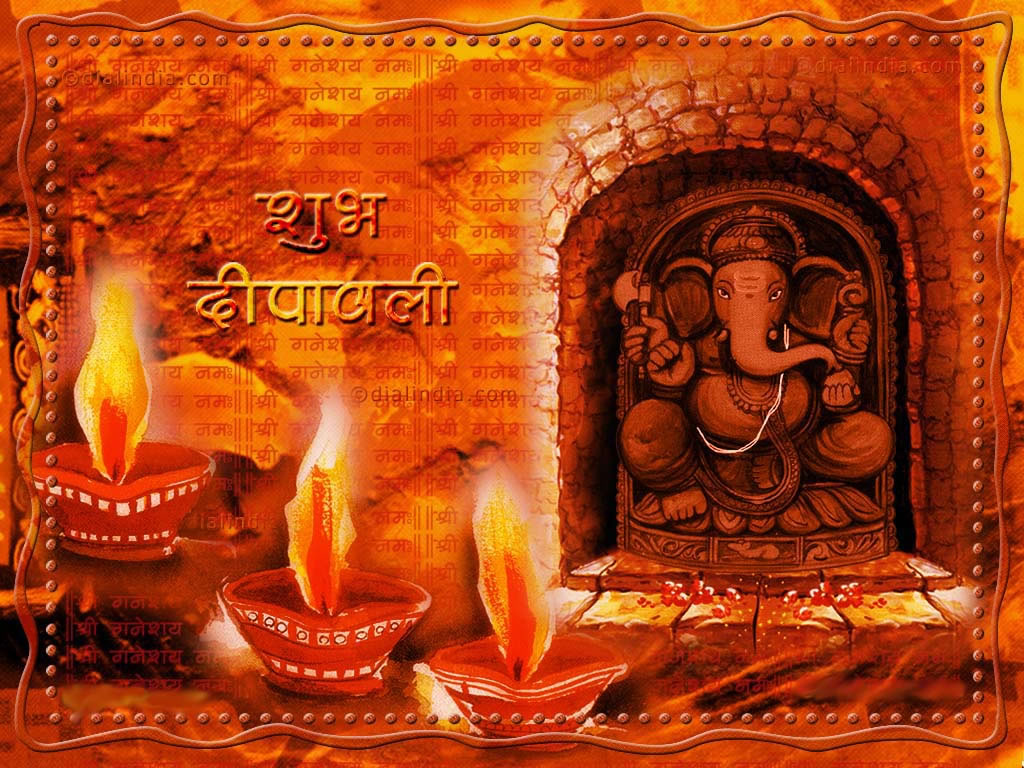
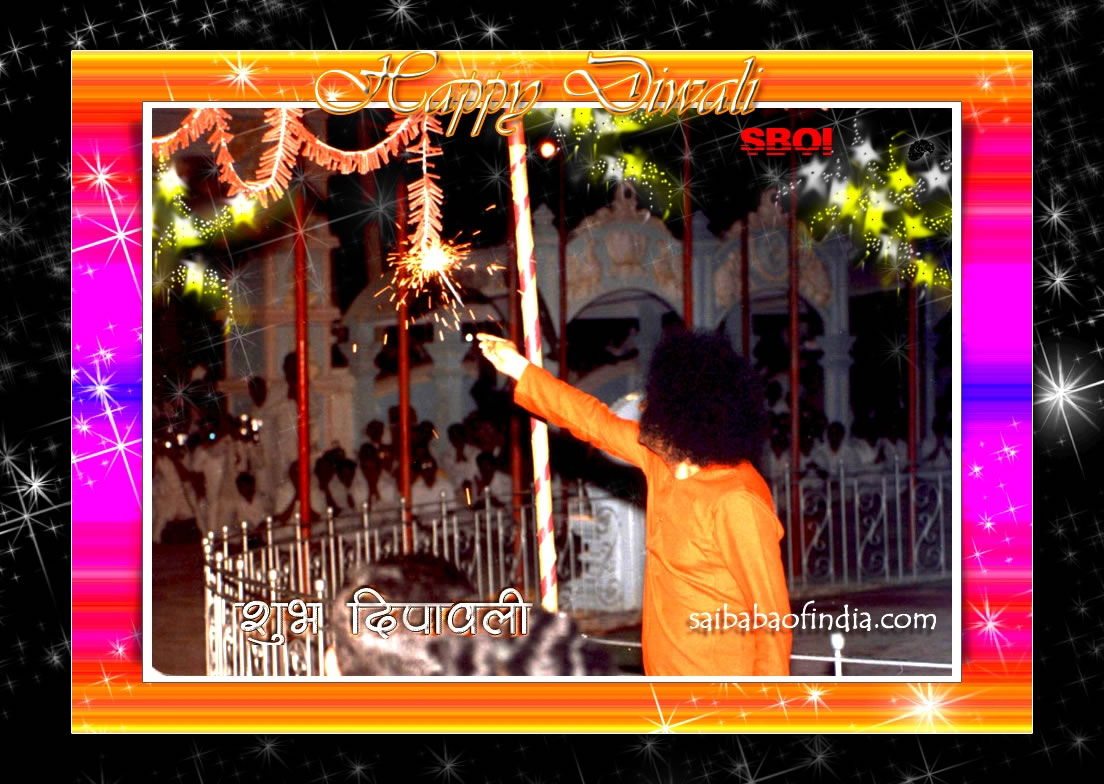
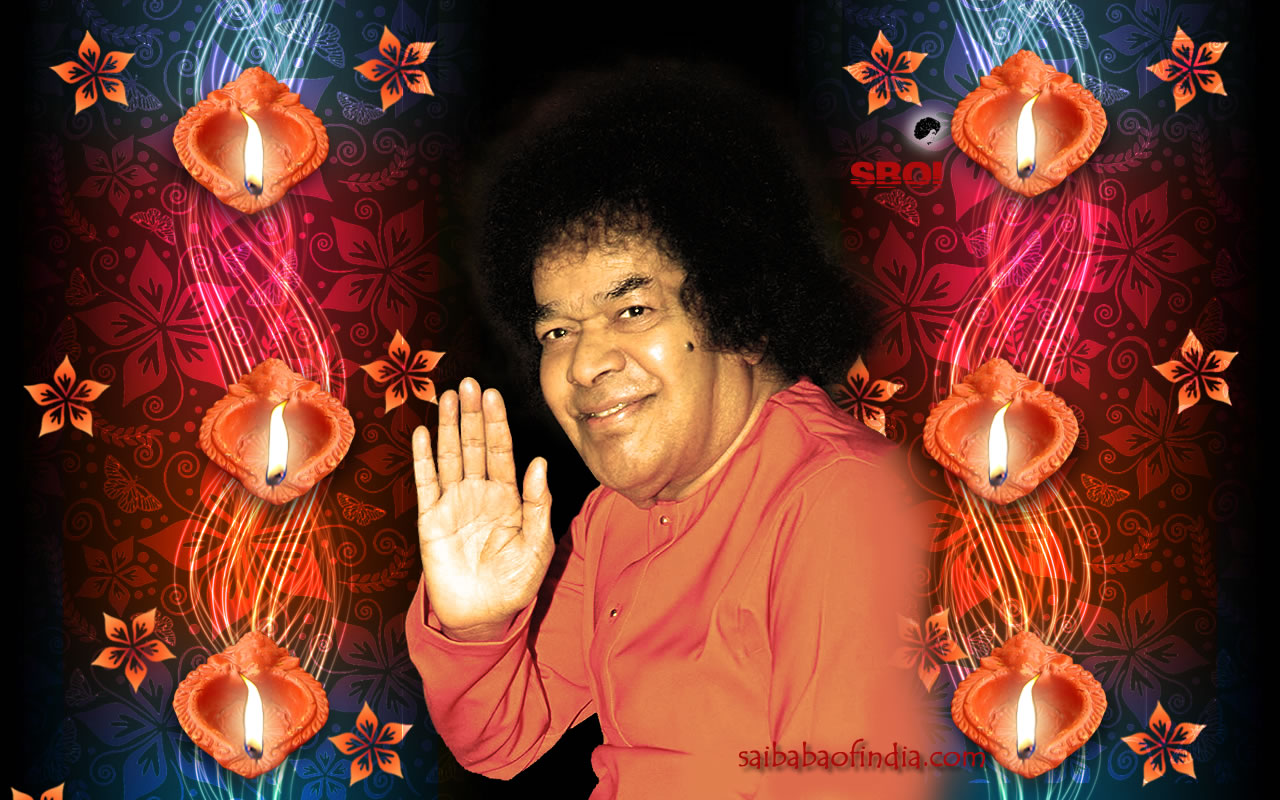
SHIRDI SAI BABA - SATHYA SAI BABA - DIWALI CARDS
| ||||||||||||||||||||||||||||||||||||||||||||||||||||||||||||||||||||||||||||||||||||||||||||||||||||||||||||||||||||||||||||||||||||||||||||||||||||||||||||||||||||||||||||||||||||||||||||||||||||||||||||||||||||||||||||||||||||||||||||||||||||||||||||||||||||||||||||||||||||||||||||||||||||||||||||||||||||||||||||||||||||||||||||||||||||
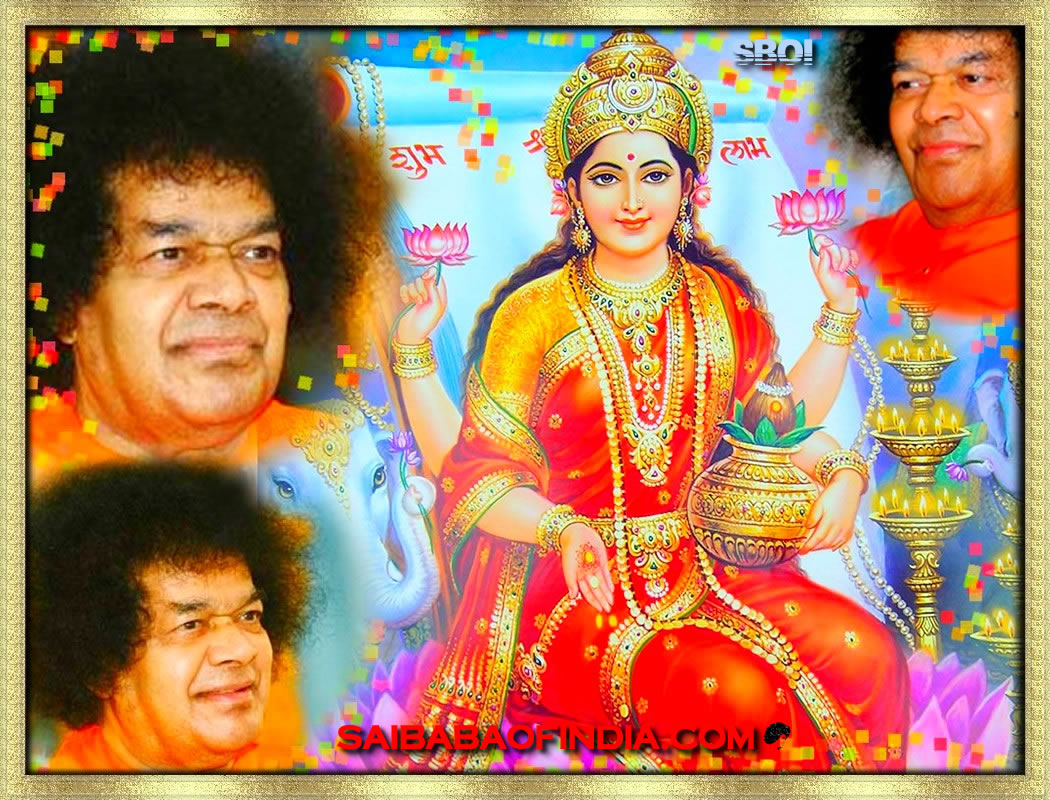
Deepavali means "the array of lights." "Thamasomaa jyotirgamaya" (Lead me from darkness to light) is an Upanishadic prayer: This means that where there is darkness light is needed. What is this darkness? Sorrow is one form of darkness. Peacelessness is another. Loss is another. Disappointment is one form of darkness. Misery is yet another. Lack of enthusiasm is another. All these are different forms of darkness. To get rid of the darkness of sorrow, you have to light the lamp of happiness. To dispel the darkness of disease, you have to install the light of health. To get over the darkness of losses and failures, you have to usher in the light of prosperity. Looking at the Deepavali festival from the scientific point of view, it should be noted that at one time in the distant past, our ancestors lived in the Arctic region (the polar region). In this region, darkness prevailed for six months. The sun appears on Mesha Sankranthi day (the sun entering the Aries sign of the Zodiac). The sun sets in this region on Tula Sankranthi day (when the sun enters Libra). In the movement between these two signs, there is an interval of six months. After the sun sets in Libra, the dark half-year starts. Today is Chathurdasi (the fourteenth day) in the month of Karthik. It is Amavasya (New Moon day). The month is called Kaumudi. The people in the polar region used to start lighting their lamps from this day. The lighting of the lamp is not without other significance. As they would be in darkness for a long period, they described the lamp that was lit as Nithyajyothi (the perennial light). It was on Deepavali day that Sri Rama's coronation took place after his victorious return to Ayodhya from Lanka vanquishing Ravana and his Rakshasa brood. For a long period Ayodhya had been plunged in darkness when Rama was in exile in the forest. In the absence of the effulgent Rama, Ayodhya was a city of darkness. The forests were filled with light. The return of Rama was hailed by the people of Ayodhya as the return of divine effulgence and hence they celebrated the event by the lighting of lamps everywhere. Nor is that all. Today's festival is marked by other significant features. This is the day on which the Lord in His Vamana incarnation sent the Emperor Bali to the Nether World after He got the promise of three feet of ground (measured by the Lord's foot) from Bali. Vamana (as the incarnation of Vishnu) used the gift of three feet of land to put down the Ahamkara (egoism) of Bali. Deepavali is a festival which is designed to celebrate the suppression of the Ego by the Higher Self. Man is plunged in the darkness of ignorance and has lost the power of discrimination between the permanent and the evanescent. When the darkness of ignorance caused by Ahamkara (the ego-feeling) is dispelled by the light of Divine knowledge, the effulgence of the Divine is experienced. Deepavali is also the day on which Emperor Vikrama ditya ascended the throne. If the darkness of ignorance is to be dispelled, man needs a container, oil, wick and a matchbox corresponding to what an external lamp needs. For man, the heart is the container. The mind is the wick. Love is the oil and vairagya (sacrifice) is the matchbox. When you have these four, Atma-jyothi (the Divine flame of the Spirit) shines effulgently. When the light of the Spirit is aflame, the Light of Knowledge appears and dispels the darkness of ignorance. The flame of a lamp has two qualities. One is to banish darkness. The other is a continuous upward movement. Even when a lamp is kept in a pit, the flame moves upwards. The sages have therefore adored the lamp of wisdom as the flame that leads men to higher states. Hence, the effulgence of light should not be treated as a trivial phenomenon. Along with lighting the external lamps, men should strive to light the lamps within them. The human estate should be governed by sacred qualities. This calls for the triple purity of body, mind and speech--Trikarana Suddhi (purity of the three instruments). The inner significance of Deepavali is to lead man from darkness to light. Man is perpetually plunged in darkness. Every time he is enveloped in darkness, he should light a lamp that is ever shining within him. Carry that lamp wherever you go. It will light your path wherever you may be. Divine Discourse: 5 November 1991 When we inquire into the significance of the Deepavali festival which we are celebrating today, we find that traditionally it is a joyous festival to celebrate the destruction of the demon Narakasura by Sri Krishna. It is only when we first understand the meaning of the Krishna Principle will we be able to understand the significance of the Naraka principle. Krishna is the embodiment of the Five Elements: ether, air, fire, water and earth. He is also the embodiment of five life breaths--Prana, Apana, Samana, Udana and Vyana. "Kleem.Krishnaaya-Govindaaya-Gopijanavallabhaaya Swaah." This mantra contains the essence of the Bhagavatha. The five names represent the Five Pranas (vital airs). Kleem refers to the earth. Krishnaaya refers to water. Govindaaya refers to Agni (the Fire-God). Gopijanavallabhaaya refers to Vayu (Air). Swaah refers to ether. When we recognize that the Divine is immanent in the five elements, we will realize that there is no place in the cosmos where these five are not present. The human body is composed of the five elements. These elements, because they constitute the body, can affect only the body but cannot affect the Atma in any way. In commenting on the Krishna story in the Bhagavatha, many writers have indulged in all kinds of misinterpretations. One such misinterpretation relates to Krishna's wives. Misinterpretation of Bhagavatham In the human body, there are what are called Shadchakras--six spiritual centers. Of these, the two most important are: the Hridayachakra (the Heart Center) and the Sahasraara (the thousand petalled center). The Hridayachakra is also known as the Hridayakamala (Lotus of the Heart) and the Sahasraara is called the Thousand-Petalled Lotus. The lotus of the heart has eight petals. These eight petals symbolize the eight worlds, the eight directions, the eight guardians of the world, the eight bhutas (spirits) and the eight parts of the earth. Because Krishna was the lord of these eight petals, He was described as the husband of eight queens. The master is called Pathi and those under him are described as wives. This is a symbolic relationship and not a husband-wife relationship in the worldly sense. It is because the esoteric significance of these relationships was not properly understood, the Bhagavatham came in for misinterpretation. It is also stated that Krishna was wedded to 16000 gopikas. Who are these gopikas? They are not cowherdesses in physical form. In the human head there is a lotus with a thousand petals. The Lord is described as the embodiment of the 16 kalas. As the Lord of the Sahasraara (thousand-petalled lotus), He presides over the 16,000 kalas which are present in this lotus. The Kundalini Sakti, which starts at the bottom of the spinal column (Mooladhaara), rises and merges with the 16,000 entities in the Sahasraara. This is the esoteric significance and the meaning of the role of the Divine within the body. Oblivious to this inner meaning, people indulge in misinterpretations and perverse expositions. Krishna's encounter with the demon Naraka has to be understood against this background. "Nara-ka" means one who is opposed to the Atma. Naraka does not mean a demon. It is the name of the satellite which revolved round the earth. When people were filled with apprehension about the threat to the earth from this satellite, when it seemed to be approaching the earth, Krishna removed their fear by destroying the satellite. Deepavali commemorates Krishna's victory Dangers from the planets are apprehended from time to time. For instance, some years ago, people expected great danger to the world from the combination of the "Ashtagraha" (eight planets). Five thousand years ago people dreaded the approach of a planet near to the earth. To allay their fears, Krishna came to their rescue and averted the impending danger. The celebration of Deepavali as the day of deliverance from Narakasura commemorates Krishna's victory. The day is observed as an occasion when the Divine leads mankind from darkness to light. The legendary version of the Narakasura episode describes the demon as master of Praagjyothishapura. The symbolic meaning of Praagjyothishapura is that it is a place which has forgotten the Atma. The inner meaning of this is that demonic forces dwell in any place where the Atma is forgotten. All the chaos and evil in the world today are due to the fact that men have forgotten the Atma (the Supreme Spirit). Every man is conscious of the body and of the individual soul, but is not conscious of the Paramatma (Divinity) within him. . . . On Deepavali day, we light numerous lamps with one candle. The light with which other lamps are lit is a Symbol of the Divine. The other lamps are Jivanajyothis (individual lamps). They derive their light from the One Supreme Light. It is to teach this truth to men that the Festival of Lights is observed. According to the legend, Krishna killed Narakasura with the help of Sathyabhama. What does this signify? Each of us has to fight and destroy the demonic forces within each by resorting to Sathya (Truth). "Sathyameva Jayathe' declares the Upanishad (Truth alone triumphs). "Speak the Truth" is a Vedic injunction. Once the Goddess of the Earth went to Vishnu and lamented that she can bear any kind of burden but not the burden of carrying those indulging in falsehood. One must be prepared to make any kind of sacrifice for upholding Truth. That is the lesson taught by Harischandra, who sacrificed his kingdom, wife and son, for the sake of the pledged word. He stands out as the supreme upholder of Truth. Everyone should endeavor to adhere to Truth. Truth is God. With faith in God and adherence to Truth, all demonic forces can be vanquished. Divine Discourse: 28 October 1989 The city in which the demon Narakasura had his capital was known as 'Praagjyotishapuram.' The name consists of four syllables: Praag, jyoti, sha and puram. Praag means former; jyoti means light; sha means forgetting and puram means the body. Together the term refers to the heart. The inner meaning of the term is that the man in his body is forgetting the light, the Atmajyothi, in him. Nara has various meanings. One is Atma. Another meaning is that which is not permanent. As Nara, man has forgotten his true spiritual state. When bad qualities enter the city of nara, man becomes Narakasura (a demonic being). The term Narakasura also means one who carries people to Naraka (hell). The inner meaning underlying the Bharatiya festivals should be rightly understood. Note, for instance, the fact that the whole array of lamps are lit by the light from one lamp. That one lamp symbolizes the Supreme Effulgent Lord. The others symbolize the light in individual selves. The truth of the Vedic saying, "The One willed to become the Many" is exemplified by the lighting of lamps by the flame of one. The Deepavali festival thus bears out the profoundest spiritual truth. Deepavali has to be observed as a day for getting rid of all the bad qualities in us, symbolized by the demon Narakaasura. The Gopikas who were freed on that day represent the imprisoned good qualities in us. They should be manifested effulgently. This is the inner significance of the festival. As long as the demonic qualities remain in man, he will be immersed in darkness. Bad qualities and thoughts have to be got rid of altogether. I desire that our festivals and the holy days should be observed in the right spirit, with an understanding of their inner significance. The destruction of the Narakaasura symbolizes the destruction of evil and the restoration of what is good. Divine Discourse: 9 November 1988 Deepavali means a garland or festoon of lights, the most characteristic way in which the festival is observed by all. Deepavali is the day when old clothes are discarded and new ones worn; when the home and its precincts are swept clean, given a new look and made to appear fresh and fine. But even while doing all this, attention has to be paid to the discarding of worn out prejudices, the adoption of new habits of love and mutual respect, the freshening of one's attitude towards one's kith and kin, brothers and sisters of all creeds and castes, the hanging of festoons of friendship and fraternity over the door sill of the heart. This will make the festival really meaningful and fruitful. Deepavali is also a day dedicated to the goodness of riches called Dhanalakshmi. They celebrate the day as Dhanalakshmi Puja in many states in India. But, riches when one comes by them, have to be revered as something given on trust and must be used for the amelioration of the wants of society and not for personal aggrandizement. Riches may come or riches may go; scholarship may be acquired or may not be acquired; even joy may come and go. Whatever happens, man must be unmoved, he must not swerve from the path that he has chosen towards the goal. Divine Discourse: 25 October 1973 The human being is a composite of man and beast and God, and in the inevitable struggle between the three for ascendency, you must ensure that God wins, suppressing the merely human and the lowly beast. This festival of Deepavali is to express gratitude at the defeat of naraka tendencies in man, which drag him down from divinity. Naraka is the name for hell and the Asura, whose death at the hands of Krishna is celebrated today, is called Narakasura, the personification of all the traits of character that obstruct the upward impulses of man. He is said to be the son of Bhumi (the earth) and he is also called Bhauma. This is very appropriate, for the earth and all attachments for things earthly lead us down into the regions of pain and grief. Earthly domains, earthly riches are powerless before the spiritual domain over the senses, spiritual riches of self knowledge and self confidence. On this Deepavali day, resolve to light the lamp of Namasmarana and place it at your doorstep, the lips. Feed it with the oil of devotion; have steadiness as the wick. Let the lamp illumine every minute of your life. The splendor of the Name will drive away darkness from outside you as well as from inside you. You will spread joy and peace among all who come near you. Divine Discourse: 24 October 1965 Diwali Greeting cards - Diwali Wallpapers Meaning Of Dipavali or Diwali "From the very name of the Dipavali festival, it can be seen that the Divine effulgence is manifested in it. Dipavali means the array of lights. Tamaso maa Jyotirgamaya (Lead me from darkness to light), is an Upanishadic prayer. This means that where there is darkness, light is needed. What is this darkness? Sorrow is one form of darkness. Peacelessness is another. Loss is another. Disappointment is one form of darkness. Lack of enthusiasm is another. To get rid of the darkness of sorrow, you have to light the lamp of happiness. To dispel the darkness of disease, you have to install the light of health. To get rid of the darkness of losses and failures, you have to usher in the light of prosperity. These apparently opposing conditions are not totally separate from each other. They are inter-related. If there is no sorrow, one cannot know the value of happiness. If there is no darkness, the value of light cannot be appreciated. Hence, if the greatness of light is to be realised, darkness is necessary. It is rightly said that pleasure is an interval between two pains. From the practical worldly point of view, the festivals have one aspect. From the spiritual viewpoint, they carry different significance. But there is a common purport in both." Sai Baba, SS. 12/91, p. 326 Origin Of Dipavali/Diwali "The life-story of demon Narakasura reveals the magnitude of his wickedness. His entire realm was plunged in darkness. No lights burnt in the homes or streets. No woman could be seen anywhere in the open. He imprisoned thousands of princesses and tortured innumerable men. Unable to bear these indignities, the women appealed to Krishna for help. As Narakasura had inflicted sufferings on women, he had to be punished by a woman. For this reason, Krishna took Satyabhama with him and destroyed him in the battle. Dipavali celebrates the victory of Krishna over Narakasura. It is also known as Naraka Chaturdashi." Sai Baba, SS. 1/91. p. 14
Meaning Of Narakasura "The city in which demon Narakasura had his capital was known as "Praag-jyotisha-puram". The name consists of four syllables: "Praag", "jyoti", "sha" and "puram". "Praag" means "former"; "jyoti" means "light"; "sha" means "forgetting"; and "puram" means the body. Together the term refers to the heart. The inner meaning of the term is that man in his body is forgetting the light, Atma-jyoti (spiritual light), in him. The word "Nara" has various meanings. One is 'Atma'. Another meaning is 'that which is not permanent.' As 'Nara' (man) has forgotten his true spiritual state and when bad qualities enter the city of 'Nara', man becomes 'Narakasura', a demonic being. The term Narakasura also means one who carries people to Naraka or hell." Sai Baba, SS, 1/89, p. 14 Anger Killed Narakasura "You must pay attention to a strange strategy that the Lord employed. The Lord invaded Narakasura's kingdom, not once but again and again. Of course. He could have accomplished the Asura's (demon's) destruction during the very first campaign. But He did not do so. He forced him to explode into furious anger, again and again. Each attack by the Lord made him automatically weaker. His resistance became feebler and feebler. Anger is debilitating in its effect. The nerves become weak; blood is rendered warmer; its composition changes. A simple burst of fury consumes the strength gained from food during three months. Anger drastically reduces one's stamina. So, the Lord made Narakasura flare up in anger, again and again. When he was rendered faint and flickering, the Lord decided that he did not deserve death at His hands. He took His consort, Satyabhama, with Him and directed her to kill the ruffian. She could do it easily, for three-quarters of his might had been subtracted by the Lord's strategy" Sai Baba, SSS, Vol. XI, dis. dtd 26-10-81. p. 181 Symbolism Of The Satyabhama Principle "When Narakasura was destroyed, that is to say, when six foes of man (kama, Krodha, Lobha, Moha, Mada, Matsarya), which drag him towards a fall, are overpowered, then the flame of wisdom can shine clear and bright. It is in order to demonstrate this on this (Dipaavali) day, lamps (Dipas) are lit and arranged in every house, dispelling darkness, which is the home of evil and vice. Satya or truth will defeat the forces of falsehood. That is the meaning of Sathyabhama being the instrument, which the Lord used to destroy Narakasura. Cultivate Sadgunas (good qualities), engage yourselves in Sat-karmas (good actions), be always in Sadgoshti (good speech)." Sai Baba, SSS, Vol. V., Discourse on 11-11-1966 "According to the legend, Krishna killed Narakasura with the help of Satyabhama. What does this signify? Each of us has to fight and destroy the demonic forces within each by resorting to Sathya (truth). 'Sathyameva Jayate' (Truth alone triumphs).' Speak the truth' isaVedic injunction." Sai Baba, SS. 1/90, p. 11 Historical Reasons Of Dipavali "It was on Dipavali that Sri Rama's coronation took place after his victorious return to Ayodhya from Lanka vanquishing Ravana and his Rakshasa brood. For a long period, Ayodhya had been plunged in darkness (when Rama was in exile in the forest). In the absence of the effulgent Rama, Ayodhya was a city of darkness. The forests were filled with light. The return of Rama was hailed by the people of Ayodhya as the return of Divine Effulgence. Hence, they celebrated the event by the lighting of lamps everywhere." Sai Baba, SS. 12/91. p. 327 "This is the day on which the Lord in His Vamana incarnation sent Emperor Bali to the Nether World after He had got the promise of three feet of ground (measured by the Lord's foot) from Bali. Vamana (as the incarnation of Vishnu) used the gift of three feet of land to put down the egoism (Ahamkaara) of Bali. Bali is described as Chakravarti, sovereign lord. In every human being, there is a sovereign who presides over all qualities. That sovereign is the ego. Dipavali is a festival, which is designed to celebrate the suppression of the ego by the Higher Self. Man is plunged in the darkness of ignorance and lost the power of discrimination between the permanent and the evanescent. When the darkness of ignorance caused by Ahamkaara (the ego-feeling vanishes), the light of divine knowledge, the effulgence of the Divine is experienced." Sai Baba, SS. 12/91. pp. 327 & 328 "In Kerala, it is believed to be the day when Emperor Bali, who was allowed to visit his erstwhile kingdom just for one day in the year, is welcomed by his grateful subjects. His subjects could welcome him with illumination and fire-works." Sai Baba. SSS. Vol. VIII, Dis did: 25-10-1973. p. 203 "Dipavali is also the day on which Vikramaditya ascended the throne acquired." Sai Baba, SS, 12/91. p. 328 "It is also the anniversary of the passing away of the founder of Jainism, Mahavir." Sai Baba, SS. 1/89. p. 13 Scientific Reasons Of Dipavali "Looking at the Dipavali festival from the scientific point of view, it should be noted that at one time in the distant past, our ancestors lived in the Arctic region (the polar region). In this region, darkness prevailed for six months. The sun appears on Mesha Sankranti day (the sun entering the Aries sign of Zodiac). The sun sets in this region on Tula Sankranti day (when the sun enters Libra). In the movement between these two signs, there is an interval of six months. After the sun sets in Libra, the dark half-year starts. Today is the fourteenth day (Chaturdashi) in the month of Kartik. It is the New Moon day (Amaavaasya). This month is called Kaumudi. The people in the polar region used to start lighting their lamps from this day. The lighting of the lamp is not without significance, as they would be in darkness for a long period. They described the lamp that was lit as "Nitya-jyoti" (the perennial)." Sai Baba, SS, 12/91, pp. 326 & 327 "Five thousands years ago, there were some planets (going round the earth). Some of these planets disappeared from time to time. There was one planet called Naraka, which used to go round the earth. In the course of their orbits, sometimes the moon and the Naraka planet used to get close to each other. At one time, the Naraka planet appeared to be approaching close to the earth. The inhabitants of the earth were filled with dread of the approaching catastrophe. They prayed to the Lord for averting the imminent disaster and saving them. At that stage, Sri Krishna used his extraordinary knowledge (Prajnaa) to destroy the planet. This extraordinary knowledge of Krishna was termed "Sathya". That is to say, Krishna destroyed the Naraka planet in association with "Sathya". The denizens of the world started celebrating that day with the lighting of lamps and adoring the Lord who saved them. That day of the Lord's triumph was celebrated as a festive occasion." Sai Baba. SS. 12/91. p. 327 Why Are Lamps Lit On Diwali/Dipavali? "The following day (of Diwali) is Amaavasya (New Moon day). Krishna freed from the prison 16,000 women and asked them to go back to their respective homes. But all the Gopikas (cowherdesses) fell at Krishna's feet and pleaded that it would not be possible for them to live in dignity in their old homes after having been the prisoners of Narakasura and they would prefer to end their lives at his feet rather go back. 'You, who are the protector of the universe, cannot protect us?', they pleaded. Krishna agreed to protect them. Because of the pledge, he gave them that he would bear the responsibility of protecting them, he was called their "Bhartaa" (supporter). This has been wrongly interpreted as meaning that he was their husband. It is a libel on Krishna to say that He married 16,000 Gopikas. This Amaavasya day is the day of liberation for the Gopikas. It is a moonless day, when the night is utterly dark. The Gopikas prayed that as on that day they had got the light of freedom. It should be marked by illuminations, which would make everyone rejoice as on a full moon night. It is for this reason that the day, which is New Moon day, is illumined by lamps and fireworks and turned into a Full Moon night." Sai Baba, SS, 1/89, p. 14 Reason Of Fireworks On Diwali "There is a scientific reason also for this celebration. With the end of the rainy season, water stagnates in many places, and the surrounding areas team with mosquitoes and other insects. The smoke from the crackers and fireworks destroys these insects and disinfects the atmosphere." Sai Baba, SS, 1/89, p. 14 Symbolism Of Light "What is light? It is the means by which we are able to see various objects. During the day we see things by the light of sun and at night by the light of the moon, stars and lamps. What is it that enables us to know that we are seeing things by sunlight or other sources? It is through the eyes. In the Dream State we see many objects although our eyes are closed. Who is the seer in that state and who is the experiencer of the dream? It is the Buddhi (intelligence) that is able to see things by its own luminosity (Tejas). In the Sushupti (deep sleep) state even the Buddhi is not present, but blissful feeling is experienced. Who is the experiencer of this bliss? That is the Atma (the Indwelling Spirit). "I am the Atma and the Atma is "I" is the truth that has to be recognised by everyone. It is the Atma that activates the Buddhi, which enables the eyes to perceive objects. The Atma is the truth and you are the Atma. It is when this truth is experienced, then alone can man realise the transcendental unity that subsumes everything." 'Sai Baba, SS, 9/87, p. 243 Full Dark Night Vs. Full Moon Night "The difference between the New Moon night (Amaavasya) and a full-moon night (Pumima) is as between darkness and light. During Amaavasya, the night is pitch dark. People do not relish this darkness in any way. Darkness invokes fear. It also breeds evil thoughts and provides opportunities for evil deeds. Darkness is welcomed only by evil-minded persons. No good-intentioned and righteous persons will welcome darkness. Darkness is a valuable ally for thieves and rogues. Hence, only the evil-minded will not hail the advent of the full moon. The hearts of good persons, filled with good feelings, are cool like the moon. Children delight at the sight of the moon. Poets are inspired to pour forth the joy in their hearts at the sight of the moon. On the day of the full-moon (Pumima) man's heart is also pure and bright. People should recognise the relationship between the full moon and the mind. The Vedas declare the moon emerged from the mind of the Cosmic Person (Viraat-Purusha) and the sun emerged from his eye. The human mind is a reflection of the moon. When there is the full moon, the mind blossoms effulgently, drives fear and confers peace and joy." Sai Baba. SS. 7/96. p. 169 Sun Light "During the day, the sun affords light to the world. Without the sun, the world will cease to exist. The sun is the visible deity for the world. Without the sun, there can be no life on earth. Crops cannot grow. There will be no air, no food and no means of sustenance for living creatures. It is only because of the sun that rivers flow, crops are grown, life is sustained and there is happiness and comfort. It is the power of the sun that helps to purify the heart." Sai Baba, SS. 7/96, p. 169 The Light Of Dharma "Triloke deepako Dharmaha: The light that illumines the three worlds is Dharma (righteousness). What is this Dharma? 'Dhaarayte iti Dharmaha' 'Dharma is that which upholds everything.' This means that without Dharma, the cosmos cannot exist. Dharma is the life-breath of all actions. There can be no life without the sustaining power of Dharma. Every object in the universe is governed by its 'Dharma' (the law of its being). For instance, there is fire. What is its 'Dharma'? The capacity to bum is the basic trait of fire. When the burning power is lost, it ceases to be fire. Likewise, the 'Dharma' of ice is coldness. When the ice loses its coldness, it ceases to be ice. For man, the Dharma is 'righteousness'. Righteousness implies harmony in thought, word and deed... The' Dharma' of man is to speak the truth and adhere to righteousness." "Man's Dharma is threefold. It relates to his body, his mind and his Atma. Good deeds, good thoughts and godly experiences of bliss are the expressions of this triple 'Dharma'. The reference to the light that illumines the three worlds should be understood in this way." Sai Baba, SS, 7/96, p. 170 Significance Of Lighted Lamps "A lamp has a unique power, which is not possessed by any other object. It dispels darkness. For this reason, Bharatiyas (Indians) have always worshipped lighted lamps. Before commencing any auspicious or religious function, the ceremonial lamp is lit. Another notable quality of the lamp is that the flame goes upward, the path of the Brahman. The sinful path leads downwards. The light of the lamp, however, can only dispel the darkness outside but cannot remove the darkness that envelops the heart as a result of attachments and aversions carried from previous lives. Not all the blaze of the light, which filled Lanka when Hanuman set it on fire, could remove the darkness from Ravana's heart. Because his heart was filled with lust and hate, no light could penetrate it." Sai Baba. SS, 8/87. p. 209 "The lamp points out to this fact. Whenever it may be placed, the flame goes upward only never moves down. Likewise the flame of wisdom (Jnana) leads one to a sublime level through the path of righteousness." Sai Baba. SS, 1/89, p. 15 How To Light The Inner Lamp? "If you want to light a lamp, you need four things. First, a container; second oil; third, wick; fourth, a match box. If anyone of these is lacking, you cannot light the lamp. This lamp, however, can only remove the darkness. How can the darkness of the heart be removed? It can be removed only by the light of wisdom (Jnana Jyoti), and nothing else. How can this light of wisdom, this spiritual light, be lit? This also needs four elements. Vairaagya (detachment/ renunciation) is the container. Devotion (Bhakti) is the oil. One-pointed concentration (Ekaagrataa) is the wick. Knowledge of the Supreme Truth is the matchstick. Without all the four, the light of the spiritual wisdom cannot be got. Of the four, the primary requisite is the spirit of renunciation (Vairaagya). Without this detachment, all knowledge of scriptures is of no avail." Sai Baba. SS, 1/89, p. 15 Significance Of Lighting Lamps With The Same One Candle "On Dipavali day, we light numerous lamps with one candle. The light with which other lamps are lit is a symbol of the Divine. Other lamps are Jivana Jyotis (individual lamps). They derive their light from the One Supreme Light. It is to teach this truth to men that the Festival of Lights (Dipavali) is observed. Thus, every festival has an inner meaning and purpose." Sai Baba, SS, 1/90. p. II "One lamp symbolizes the Supreme Effulgent Lord. The others symbolize the light in individual selves. The truth of the Vedic saying, "The One willed to become the Many", is exemplified by the lighting of many lamps with the flame of one. The Dipavali festival thus bears out the profoundest spiritual truth." Sai Baba. SS, 1/89, pp. 14 &15 "The lamp is not merely the symbol of knowledge to truth. It is also the symbol of the One, the Anna that shines in and through all this multiplicity. Just as with one lamp, a thousand lamps can be lit, and the One is as bright as ever in spite of the thousands deriving light from it. So too, the Anna illumines the Jiva (individual selves) and shines in and through them, without undergoing any diminution in its splendour." Sai Baba, SSS, Vol. VIII, Dis dtd 25-10-1973. p. 205 "As God is the embodiment of effulgence, you have to make your life effulgent to experience God. You have to realise that the light of your life has come from that Supreme Source of all lights (Parama-Jyoti). The individual flame should merge in the Supreme Divine effulgence from which all other lights have emanated. Meditating on the Supreme Effulgence (Parama-Jyoti) the individual has to merge his individual effulgence in the Supreme Effulgence." Sai Baba, SS. 8/97. p. 199 "On this day (Dipavali) we light thousands of lamps with a single lamp. We light many candles with the flame of a single candle. But, remember that only a burning candle can light other candles. An unlit candle cannot light other unlit candles. Only one who has earned wisdom can enlighten others who are in ignorance. One who is himself unillumined cannot illumine others, dwelling in the darkness of Maya (delusion). One must light one's own lamp from the Universal Light of Love and there from one can transmit illumination to all who seek and strive. All lamps shine alike, since they are all sparks of that Parama-Jyoti, the Universal Luminosity, that is. God" Sai Baba, SSS. Vol. XI. dis. dtd 26-10-81, p. 182 "Light the lamp of the world with divine love. Divine love lights the lamp of life, which you are not able to perceive. None can regulate divine love. Worldly love is fraught with conditions and expectations in return. Divine love does not expect anything in return." Sai Baba, SS. 4/97. p. 206 Seek Divine Light Within You "The light of the Divine is within you. Why do you go seeking for it elsewhere? This is the light of love and bliss. Never forget God, whatever may happen to you." Sai Baba. SS. 8/97, p. 202 Symbolism Of The Krishna Principle "When we inquire into the significance of the Dipaavali festival, we find that traditionally it is a joyous festival to celebrate the destruction of demon Narakasura by Sri Krishna. It is only when we first understand the meaning of the Krishna Principle will we be able to understand the significance of the Naraka Principle. Krishna is the embodiment of the Five Elements (Ether, air, fire, water and earth). He is also the embodiment of the Five life-breaths (Praana, Apaana, Saamaana, Udaana and Vyaana). "Kleem- Krishnaaya Govindaaya Gopi-jana-vallabhaaya Swaah." This Mantra contains the essence of the Bhaagavata. The five names represent the Five Praanas (vital airs). "Kleem" refers to the earth. "Krishnaaya" refers to water. "Govindaaya" refers to Agni (the Fire-God). "Gopi-jana-vallabhaaya" refers to Vaayu (air). ""Swaah" refers to ether or sky. When we recognise that the Divine is immanent in the five elements, we will realise that there is no place in the cosmos where these five are not present. The human body is composed of the five elements. These elements, because they constitute the body, can affect only the body but not the Atma (soul) in any way." "Krishna's encounter with demon Naraka has to be understood against this background. "Nara-ka" means one who is opposed to the Atma. Nara-ka does not mean a demon" Sai Baba. SS, 1/90, p. 10 Significance Of Dhana-Lakshmi Puja On Dipavali "Dipavali is also a day dedicated to the Goddess of Riches, called Dhana-Lakshmi. They celebrate the Day as Dhana-Lakshmi Puja Day in many states of India. Newspapers highlight the celebration with big headlines. But, riches when one comes by them, have to be revered as something given on trust, and must be used for the amelioration of the needs of society, not for personal aggrandizement. When people use it for parading their wealth, they become ludicrous specimens of humanity. How can wealth and scholarship shine, except against the background of virtue and humility? Riches may come or riches may go; scholarship may be acquired or may not be acquired, even joy may come and go. Whatever happens, man must be unmoved, he must not swerve from the path that he has chosen towards the goal. March along, straight, never deviating towards falsehood or trickery. Do not be attracted by glamour of name and form. SeekJhe Atma with one-pointed zeal. This is the message I give you on this Festival of Lights (Dipavali)." Sai Baba, SSS, Vol. VIII, Discourse on 25-10-1973. pp. 206 & 207 "Let me tell you frankly, I do not like this Lakshmi Puja, which people do, expecting to grow rich and accumulate wealth. They even speak of Dhana-Lakshmi (Goddess of wealth) and have Stotram to propitiate Her. Lakshmi or wealth accrues by fair means as well as by foul. Money is earned by gambling, by various forms of deceit, by highway robbery itself, by high and low, by all and sundry. Worship Lakshya (goal), I shall appreciate you. Keep the Lakshya, the goal of expanding love till it embraces all beings, till it sees everything as your own self. Keep it ever steady before your mind's eye. Then Lakshami will other own accord favour you to the extent necessary for realising the Goal. Never doubt that. Never falter." Sai Baba, SSS, Vol. Ill, p. 35 Significance Of Decoration On Dipavali "Dipavali is the day when old clothes are discarded and new ones are worn. Home and its precincts are swept clean, given a new look, and made to appear fresh and fine. Flowers are arranged in lovely designs in each room and in courtyard. Festoons of green leaves add charm to every door. But even while doing all this, attention has to be paid to the discarding of wom-out prejudices and adoption of new habits of love and mutual respect, the freshening of one's attitude towards one's kith and kin, brothers and sisters of all creeds and castes, the hanging of the festoons of friendship and fraternity over the door sill of the heart. This will make the Festival really meaningful and fruitful." Sai Baba, SSS. Vol. VIII, Discourse on 25-10-73. p. 204 How To Observe Dipavali? "Dipavali has to observed as the day for getting rid of all the bad qualities in us, symbolized by demon Narakasura. The Gopikas who were freed on that day represent the imprisoned good qualities in us. They should be manifested effulgently. This is the inner significance of the festival. As long as demonic qualities remain in man, he will be immersed in darkness. Bad qualities and thoughts have to be got rid of altogether. I desire that our festivals and holy days should be observed in the right spirit, with an understanding of their deeper significance. The destruction of Narakasura symbolizes the destruction of evil and the restoration of what is good." Sai Baba, SS, 1/89, p. 15 "The Narakasura in man can be destroyed by the constant dwelling of the mind on Krishna who slew him, as the Bhagavad relates. The Smarana (God's remembrance) has to be constant. This state of constant remembrance can come only through long practice. It will not be acquired suddenly." Sai Baba, SSS. Vol. V, Dis. Date: 11-11-66, pp. 300 & 301 "On this Dipavali Day, resolve to light the lamp of Namasmarana (repitition of God's name) and place it at your doorstep, the lips. Feed it with the oil of devotion. Have steadiness as the wick. Let the lamp illumine every minute of your life. The splendour of the Name will drive away darkness from outside you as well as inside you." Sai Baba. SSS, Vol. V. Dis dtd: 24-10-65, p. 110 "Dipavali is intended to teach you the lesson of light and love. Move out, clasp, spread, expand, give up limits of mine and thine, his and theirs, caste and creed, in one limitless flow of love. That is the culmination of all spiritual Sadhana (practice). Love is the breath of the Sadhaka (spiritual aspirant). I call upon you to celebrate the Dipaavali, not by feasting and exploding crackers to disturb the peace of the neighborhood, but by silent lighting of lamps and silent service through love.'' Sai Baba. SSS, Vol. V. Discourse on 9-10-70, pp. 346 & 348 Glimpses Of Dipavali Celebrations At Prasanthi Nilayam (1998) "Dipavali, the festival of lights, was celebrated with piety and gaiety at Prasanthi Nilayam on 19th October 1998. Bhagavan came to Sai Kulwant Hall at 3.15 p.m. and gave the bliss of His Divine Darshan to the devotees. Before giving His Discourse on this auspicious day, Bhagavan graciously permitted Prof. Venkataraman to make a brief speech, who explained the inner significance of Dipaavali. After Bhagavan's Divine Discourse and distribution of Prasadam, there was superb display of fireworks and crackers. Devotees, particularly, students, who also fired the crackers, had real fun. There was a display of lights at night in the entire premises of Prasanthi Nilayam." Editor, SS. 11/98. p. 305 Glimpses Of Dipavali Celebrations At Prasanthi Nilayam (1991) "Other notable events in the month began with the celebrations of Dipavali on 5th November 1991. Bhagavan's scintillating discourse on that day was followed by a brillian and deafening display of fireworks, which delighted both young and old. Bhagavan fillet the young ones with joy by a generous distribution of sparklers. Dipavali was followe' by Akhanda Bhajan from 9th to 10th November. Bhagavan inaugurated the celebratio by lighting the Akhanda Jyoti in the Mandir (temple) at 6 p.m. on the 9th. Non-sto Bhajans were kept up alternately by students from the three campuses - boys and girls for 24 hours. The Bhajans concluded on Sunday with the distribution of Prasadam (swe and lemon rice) to all the devotees with the benediction of Bhagavan." Editor, SS, 12/91, p. 332
Glimpses Of Dipavali Celebrations At Trayee Brindavan (1986) "Dipavali is celebrated with rejoicings as the day on which the forces of evil represented by demon Narakasura were destroyed by Sri Krishna. Bhagavan Baba, addressing a large gathering at "Trayee Brindavan" on 1st November 1986 said that each individual should observe Dipavali as the day on which the demoniac qualities in him, such as envy, hatred and anger, are weeded out and divine qualities like truth, righteousness, love, compassion and peace are cultivated. Selfishness is the root of all evils in man and it should be eliminated. Narakasura, though a demon, was a devotee of Shiva. He had immense strength and power. He indulged in many wicked acts because of his hatred towards Krishna. Hatred is the parent of many sins. It is the gateway to hell. The burning of crackers on Dipavali day is done by way of expressing joy at the victory of the Divine over the evil forces. The lamps are lit on that day to signify the lighting of the inner lamps in all beings from the one Supreme Source of all light, the Divine. It is this unity of the individuals with the Divine that should be realised by everyone. Besides a fireworks display at night, Narayana Seva was arranged during the day in Brindavan in connection with Dipavali." Editor. SS, 11/86. p. 278 From the book - Festivals in Prasanthi Nilayam - An Exposition by Bhagavan Sri Sathya Sai Baba - Compiled and Edited by Suresh C Bhatnagar.
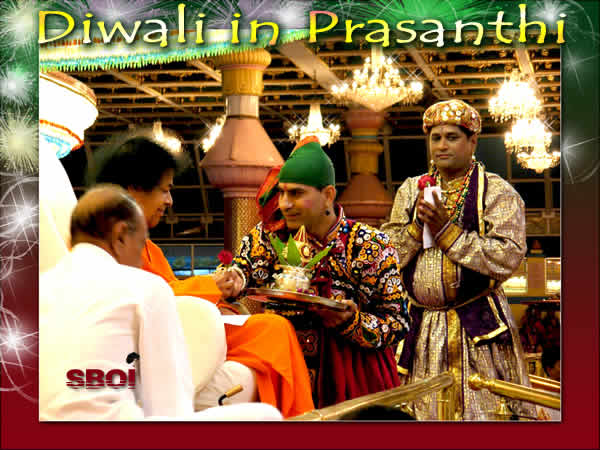
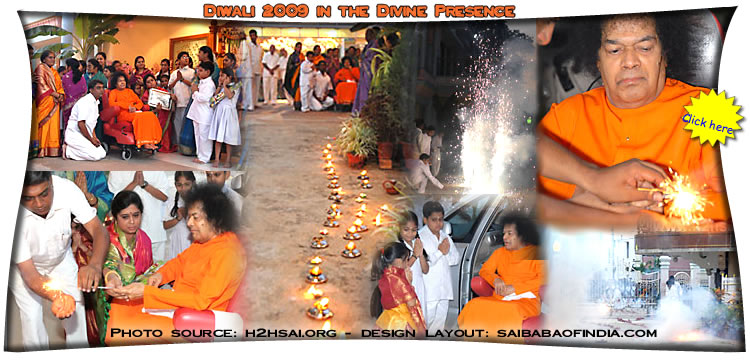
Diwali in Prasanthi Nilayam darshan update with photos -
| ||||||||||||||||||||||||||||||||||||||||||||||||||||||||||||||||||||||||||||||||||||||||||||||||||||||||||||||||||||||||||||||||||||||||||||||||||||||||||||||||||||||||||||||||||||||||||||||||||||||||||||||||||||||||||||||||||||||||||||||||||||||||||||||||||||||||||||||||||||||||||||||||||||||||||||||||||||||||||||||||||||||||||||||||||||
Here is a list of Diwali wishes in different languages of India.
| ||||||||||||||||||||||||||||||||||||||||||||||||||||||||||||||||||||||||||||||||||||||||||||||||||||||||||||||||||||||||||||||||||||||||||||||||||||||||||||||||||||||||||||||||||||||||||||||||||||||||||||||||||||||||||||||||||||||||||||||||||||||||||||||||||||||||||||||||||||||||||||||||||||||||||||||||||||||||||||||||||||||||||||||||||||



.jpg)
.jpg)